Shifting from a Scarcity to Abundance Mindset: A Nonprofit Leader’s Guide for Sustainable Growth
A scarcity mindset limits nonprofit growth by focusing on fear, short-term survival, and constrained thinking. An abundance mindset helps nonprofit leaders plan confidently, steward resources wisely, and build sustainable systems that fuel long-term impact.
This guide explains what the shift looks like in practice, and how faith-based nonprofits can apply it immediately.
What Is a Scarcity Mindset in Nonprofits?
A scarcity mindset is the belief that resources are always limited and that growth must come at the expense of stability, health, or mission.
In nonprofits, this often shows up as:
Reactive decision-making
Overworked teams and underdeveloped systems
Fear of investing in tools, training, or strategy
Short-term fundraising tactics instead of long-term planning
While this mindset is common, especially in mission-driven organizations, it quietly caps both impact and sustainability.
What Is an Abundance Mindset?
An abundance mindset doesn’t ignore financial realities. Instead, it reframes them.
Nonprofit leaders operating from abundance believe:
God has already entrusted them with what they need to steward well
Strategy and structure create freedom, not restriction
Growth is something to plan for, not hope for
Sustainability honors the mission rather than distracts from it
This mindset leads to healthier teams, clearer strategies, and more consistent funding over time.
Why the Scarcity Mindset Is So Common in Faith-Based Nonprofits
Faith-based nonprofits often feel a unique tension:
A strong calling to serve
Limited staff and budgets
Pressure to “do more with less”
Over time, this can normalize burnout and reactive leadership. What begins as faithfulness can quietly turn into survival mode.
An abundance mindset restores balance, allowing leaders to pursue both mission impact and organizational health.
7 Practical Shifts from Scarcity to Abundance
1. From “We Don’t Have Enough” to “We Steward What We Have Well”
Abundance begins with stewardship, not excess. Clear systems multiply what already exists.
2. From Short-Term Fixes to Long-Term Strategy
Scarcity reacts to today’s problem. Abundance plans for tomorrow’s opportunity.
3. From Fear-Based Decisions to Mission-Aligned Clarity
When fear drives decisions, growth stalls. Clarity unlocks confidence.
4. From Burnout Culture to Sustainable Leadership
Healthy teams are not a luxury; they are essential to lasting impact.
5. From Manual Chaos to Strategic Systems
Tools, processes, and automation free leaders to focus on relationships and vision.
6. From Playing Defense to Leading with Confidence
Abundance leaders don’t just protect what exists, they build what’s next.
7. From “Someday We’ll Grow” to Intentional Planning Now
Growth rarely happens accidentally. Abundance leaders plan for it on purpose.
What Changes When a Nonprofit Embraces an Abundance Mindset?
Nonprofits that make this shift often experience:
More consistent fundraising results
Clearer communication with donors and stakeholders
Healthier leadership teams
Better alignment between mission and operations
Increased confidence in decision-making
Most importantly, they gain peace and clarity, even before revenue increases.
How to Start the Shift Today
You don’t need a bigger budget to begin thinking differently.
Start by asking:
Where are we reacting instead of planning?
What systems would reduce stress for our team?
What decisions are we delaying out of fear?
Small mindset shifts compound into real, measurable growth.
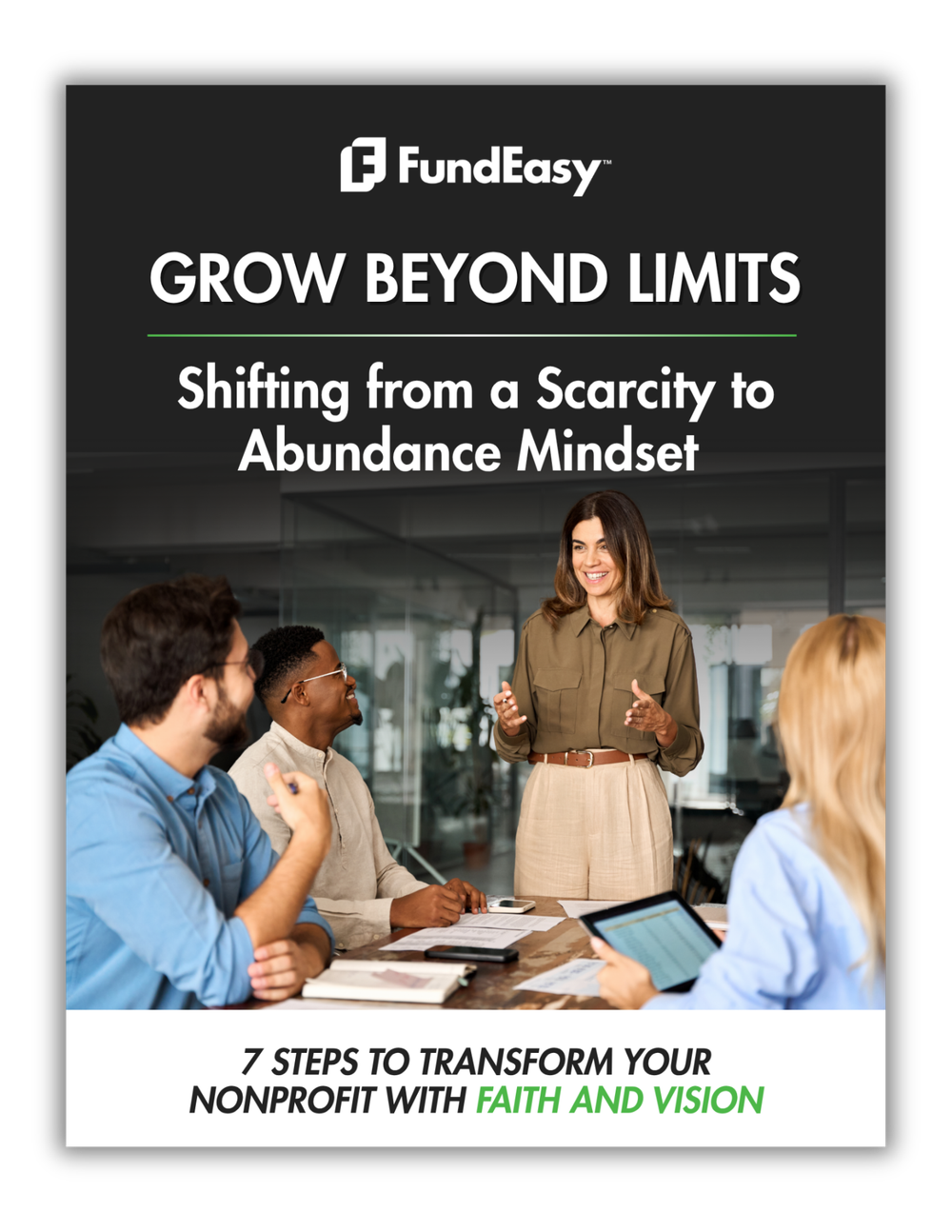
Free Resource: Shifting from a Scarcity to Abundance Mindset
To help nonprofit leaders take the next step, we created a free, practical PDF guide:
Shifting from a Scarcity to Abundance Mindset
Inside, you’ll discover:
The 7 mindset shifts outlined above
Practical applications for nonprofit leadership
A clear framework for sustainable growth
👉 Download the free guide and set the foundation for your healthiest year of growth yet
Abundance doesn’t mean unlimited resources.
It means clear vision, wise stewardship, and confident leadership, even in seasons of constraint.
And that kind of leadership changes everything.